Compare Local Contractors for Low Voltage Lighting Services
Compare local contractors for low voltage lighting to define project scope, verify experience, and set clear expectations for a successful installation.
Low voltage lighting service typically involves the installation, maintenance, and repair of lighting systems that operate on lower electrical voltages, commonly used for landscape illumination, pathway lighting, accent lighting, and architectural features. These projects often include planning the layout, selecting appropriate fixtures, wiring, and ensuring proper integration with existing electrical systems. Properly executed, low voltage lighting can enhance the aesthetic appeal of a property while providing functional illumination for safety and usability during evening hours.
Defining the scope of a low voltage lighting project is essential to ensure that property owners and contractors are aligned on expectations and deliverables. A clear scope outlines the specific areas to be lit, types of fixtures to be used, design preferences, and any additional features like timers or dimming controls. Having these details documented helps prevent misunderstandings, allows for accurate planning, and provides a reference point throughout the project. It also supports effective communication with service providers, making it easier to verify that the work meets the intended design and functional goals.
When comparing local contractors for low voltage lighting services, property owners should consider experience with similar projects, the range of services offered, and the clarity of their proposals. It’s helpful to review how each contractor approaches defining project scope, their process for planning and design, and how they communicate expectations in writing. Asking for references or examples of completed work can provide insight into their expertise and reliability. By evaluating these factors, property owners can better determine which service providers are equipped to handle their specific needs and ensure a smooth, well-managed lighting project.
Compare local contractors by outlining your project needs, verifying experience, and setting clear expectations in writing.
- Compare Contractor Credentials - Review the experience and reputation of local contractors to ensure reliable low voltage lighting services.
- Define Project Scope Clearly - Outline specific lighting needs and expectations in writing to prevent misunderstandings.
- Verify Service Provider Experience - Confirm that local contractors have relevant experience with low voltage lighting installations and repairs.
- Request Detailed Written Estimates - Obtain comprehensive descriptions of work to facilitate accurate comparisons and planning.
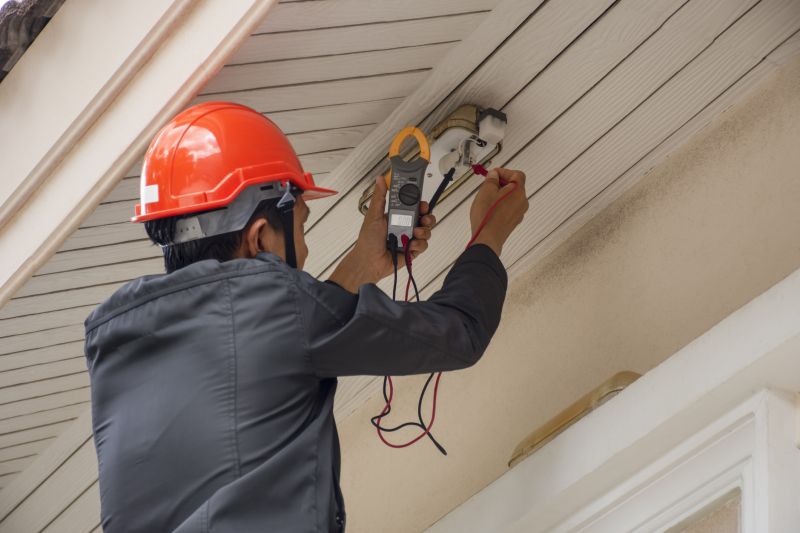
Clearly describe your low voltage lighting project to help compare local contractors, define scope, and set expectations in writing.
- Verify experience with low voltage lighting installations to ensure familiarity with relevant systems and techniques. - Consider how contractors define the scope of work to ensure all desired lighting features are included.
- Compare the services offered by different local contractors to identify those that provide comprehensive low voltage lighting solutions. - Review the scope of work in writing to set clear expectations and prevent misunderstandings.
- Assess the contractor’s ability to provide detailed project descriptions and specifications for your lighting setup. - Ensure the contractor can address specific design preferences and technical requirements.
- Check that the contractor offers clear documentation of the work plan, including materials, methods, and deliverables. - This helps in evaluating the thoroughness and professionalism of the service provider.
- Determine if the contractor has a process for handling modifications or additional requests during the project. - Clear communication channels and written change orders can help manage scope adjustments effectively.
Compare local contractors, define project scope clearly, verify experience, and set expectations in writing.




This scope builder helps you compare local contractors, define project details, verify experience, and set clear expectations without referencing prices.
- Project Scope - Clearly define the specific lighting areas, fixtures, and design preferences for the low voltage lighting system.
- Experience and Expertise - Identify service providers with demonstrated experience in low voltage lighting installation and maintenance.
- Material and Equipment Specifications - Specify the types of fixtures, wiring, transformers, and other components to be used in the project.
- Work Responsibilities - Outline the tasks each contractor will perform, including installation, wiring, testing, and cleanup.
- Written Agreement - Ensure all scope details, responsibilities, and expectations are documented in a formal agreement.
When evaluating contractors for low voltage lighting service, it’s important to consider their experience with similar projects. A contractor with a proven track record in outdoor landscape lighting, pathway illumination, or architectural accents can demonstrate familiarity with the specific requirements and challenges of such work. Asking about previous projects or requesting references can help gauge their familiarity with the scope and complexity of lighting installations similar to the desired outcome. This background can provide confidence that the service provider understands the nuances of low voltage systems and can deliver results that meet expectations.
A clear and detailed written scope of work is essential when comparing contractors. A comprehensive scope should outline the specific tasks involved, such as fixture installation, wiring, control systems, and any design considerations. It should also specify the materials and equipment to be used, as well as any preparatory or finishing work. Having a well-defined scope helps prevent misunderstandings and ensures that all parties share the same expectations. When reviewing proposals or estimates, attention to how thoroughly the scope is documented can serve as an indicator of the contractor’s professionalism and clarity.
Verification basics are key to assessing a contractor’s reliability and expertise. While formal licensing and certification are not the focus here, it’s still important to verify that the service provider has appropriate insurance coverage and a good reputation within the local community. Checking references or reviews can offer insights into their past work quality, adherence to project specifications, and customer service. Confirming that the contractor understands local codes and standards, even if not explicitly licensed, can help ensure the work will be performed safely and correctly.
Evaluating options without focusing on prices involves comparing the details of each proposal or service plan. Consider the scope of work, the materials and fixtures proposed, and the approach to project execution. Clarify how each contractor plans to handle potential challenges or modifications, and assess their communication style and responsiveness. By focusing on the quality of the work plan, the clarity of the scope, and the professionalism demonstrated, homeowners can make informed decisions that align with their project goals. This approach helps identify service providers who prioritize thoroughness and expertise, ensuring a successful low voltage lighting installation.
Ask contractors to provide written scope details to ensure clear understanding and consistent expectations.
- **Experience Verification** - What specific experience do the local contractors have with low voltage lighting installations?
- **Scope of Work** - How clearly do the service providers define the scope of the low voltage lighting project?
- **Comparison of Services** - What differences exist between local contractors regarding the types of low voltage lighting services offered?
- **Project Expectations** - How do the contractors outline the expected outcomes and deliverables in writing?
- **Specialization and Capabilities** - Do the service providers specialize in low voltage lighting and have relevant expertise for your project needs?
What should I consider when choosing a contractor for low voltage lighting? It's important to review their experience with similar projects, verify their reputation, and ensure they clearly define the scope of work in writing to align expectations.
How can I compare different service providers for low voltage lighting? Comparing contractors involves assessing their qualifications, reading reviews or testimonials, and requesting detailed descriptions of the services they offer to ensure consistency and clarity.
What questions should I ask a contractor before hiring for low voltage lighting? Ask about their previous experience with similar installations, how they plan to approach your project, and request a written scope of work to prevent misunderstandings.
Why is it important to have a written scope of work with a contractor? A written scope helps define project details, sets clear expectations, and provides a reference point to ensure all parties agree on the work to be performed.
How can I verify a contractor’s experience with low voltage lighting? You can review their portfolio, ask for references, or inquire about their background with similar projects to gauge their familiarity and skill level.
What are the benefits of working with experienced local contractors for low voltage lighting? Experienced service providers are more likely to understand best practices, deliver quality work, and communicate clearly about project scope and expectations.
This page has provided an overview of key considerations when selecting contractors for low voltage lighting services. Visitors have learned the importance of clearly defining the scope of work, verifying the experience of service providers, and setting expectations in writing to ensure a smooth project. Comparing local contractors based on these factors can help in making informed decisions aligned with specific needs.
To find suitable service providers, use the quote form to compare local contractors who specialize in low voltage lighting. Gathering multiple proposals allows for a clearer understanding of available options and helps identify the best fit for the project. Taking the time to evaluate and communicate expectations can lead to a more successful outcome.